
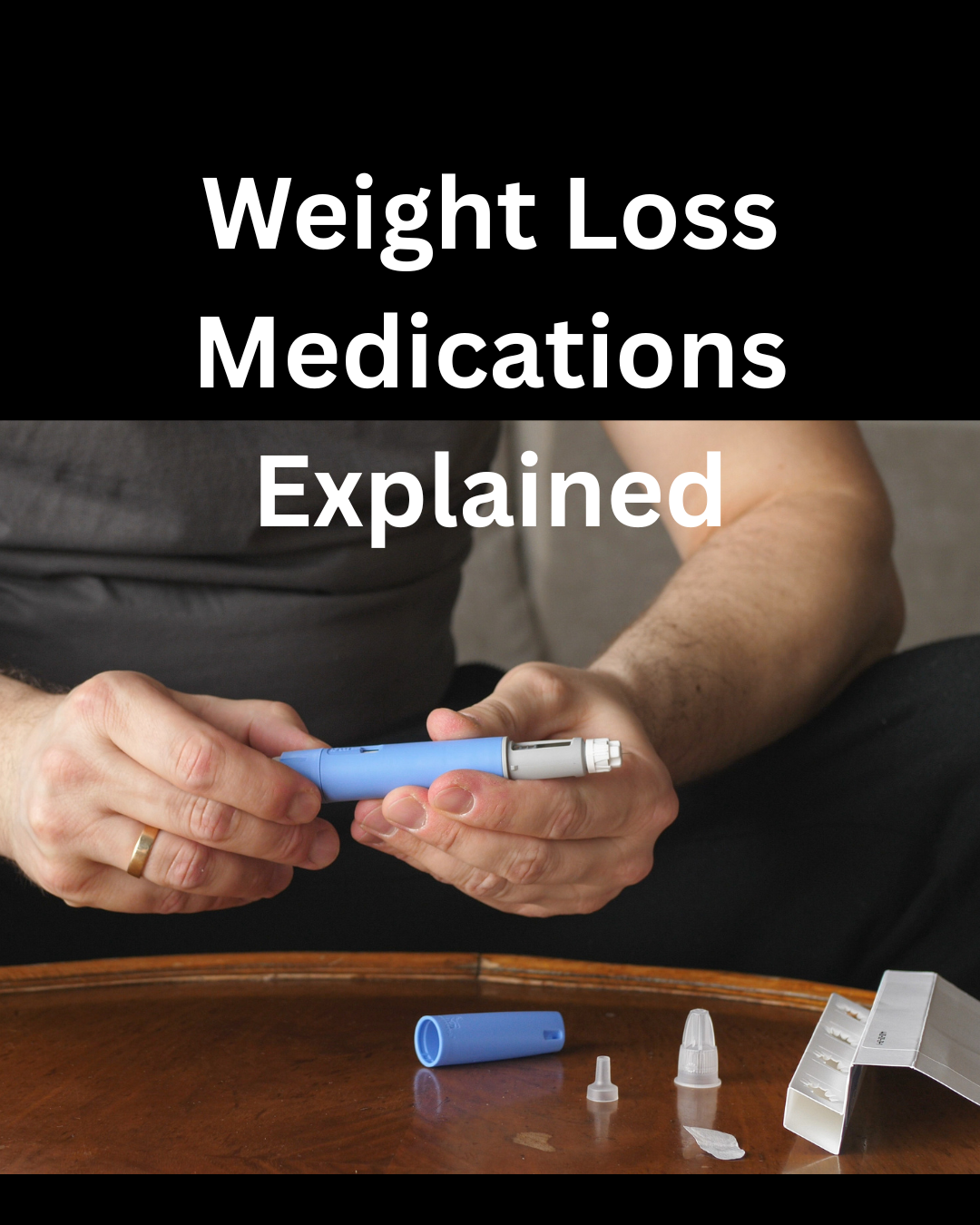

For people who are overweight or obese, losing weight can be important for improving health. Weight loss improves blood pressure, cholesterol and blood sugar levels, and lowers the risk of heart disease and certain cancers.
Despite all these benefits, losing weight can be difficult. I’ve touched on the basics, Eating Healthy and Exercising, over the past two weeks in The Voice Newspaper. For some, eating healthy and exercising regularly is enough to lose weight and keep it off. Others find it more difficult. This is where medication may be needed.
A few common underlying conditions that can make it hard to lose weight include:
- PCOS (Polycycytic Ovarian Syndrome), which affects nearly 1 in 5 Caribbean Women.
- Hypothyroidism, when the thyroid gland isn’t working properly.
- Type 2 Diabetes and Pre-Diabetes (you can take an online screening test for Pre-Diabetes here).

What is overweight and obesity?
Overweight and Obesity are conditions where the body has stored too much fat. Body Mass Index (BMI) measures how much body fat you have based on your weight and height. You can calculate your BMI yourself using this calculator. All you need to do is enter your weights and height.
You are overweight if your BMI is between 25 and 29, and you are obese if your BMI is 30 or more.
Why talking to your doctor is important
BMI is a helpful tool that doctors use to screen for overweight and obesity, but it does have its limitations. Your doctor will be able to use the BMI along with all your other medical information to make the best plan for YOUR health. So, feel free to use the BMI calculator, and then talk to your doctor if you are concerned.
Your doctor will be able to make a weight-loss plan that makes the most sense for YOU. Everyone is different and needs a personalised approach. This includes taking medication and or referring for bariatric surgery, if appropriate.
What are the weight loss medications?

Right now, the most effective weight-loss medications are the GLP-1 Receptor agonists.
GLP-1 stands for glucagon-like peptide-1. It is a hormone naturally found in our gut that helps regulate our appetite and blood sugar levels.
It causes weight loss by reducing food cravings (also called food noise) and making you feel full.
These medications give the body a higher dose of GLP-1, which helps control blood sugar levels and weight gain.
What are GLP-1 receptor agonists used for?
Doctors prescribe GLP-1 agonists for patients with two conditions:
- Type 2 Diabetes and/or
- Obesity. (anyone with a BMI of 30 or more)
Medications FDA-approved for Obesity:
The medications that are FDA-approved for weight loss include:
- Tirzepatide (Zepbound)
- Semaglutide (Wegovy)
Both of these medications are injected once a week. They have been shown to cause 15 to 20 % total body weight loss by 1 year
Medications FDA-approved for Type 2 Diabetes:
I’m sure you noted Ozempic was missing from the weight-loss list above. That’s because Ozempic (semaglutide) is FDA-approved specifically for type 2 diabetes, not weight loss. Not only does it lower blood sugar levels, but it also:
- Lowers cholesterol levels
- Lowers the risk of Heart attack and stroke
- Lowers the risk of Kidney Disease
- Improves Fatty Liver Disease
Weight loss is a side effect of Ozempic, so some doctors prescribe it off-label for weight loss. I tend to reserve this medication for people who are diabetic or pre-diabetic and obese (overweight in some cases). This is why a personalised approach to your care is so important.
The medications that are FDA-approved for Diabetes management include:
- Tirzepatide (Mounjaro)
- Semaglutide (Ozempic)
- Semaglutide (Rybelsus) THIS ONE IS A TABLET, all the others are injections
Ozempic has the same ingredients as Wegovy, but at a lower dose. Also, Mounjaro has the same ingredients as Zepbound, but Zepbound is the one that is FDA -approved for weight-loss

Common side effects of GLP-1 medications include:
- Loss of appetite.
- Nausea.
- Vomiting.
- Diarrhoea and/or constipation
- Headaches and dizziness
These are more likely to happen when you first start the medication. Avoiding fatty foods and eating slowly helps to reduce these side effects
More severe but rare side effects of these medications include:
- Pancreatitis.
- Medullary thyroid cancer.
- Kidney injury
- Severe allergic reaction
*Hair loss and loss of calcium in bones have also been noted in some cases.
Healthy Eating and Exercise are STILL IMPORTANT!
I cannot stress this enough. This is why I generally don’t jump to starting weight loss medication in a patient right away without having a personalised plan for healthy eating and exercise.
If you are eating less, WHAT YOU EAT becomes that much MORE IMPORTANT.

You have to be in the habit of eating nutritious food. And building that habit takes time, understanding and a plan. Lack of nutrients and enough water can lead to loss of calcium in the bones, hair loss and even kidney damage (all mentioned above).

EXERCISE is IMPORTANT too. Because as you lose weight on the medication, you lose fat, but you also can lose muscle.
Muscle is important; we want to keep it as much as possible, especially for metabolism and blood sugar control. See here
Weight training at least 3 days a week is ideal for people on these medications – especially women in peri-menopause or menopause
Take-aways:
- Medications are very helpful for weight loss in people who have not found diet and exercise alone to be effective.
- A weight loss plan, however, MUST BE PERSONALIZED TO YOU. Your plan will depend on many factors, such as your age and any underlying conditions.
- Healthy eating and exercise are STILL IMPORTANT, even when taking these medications.
- Some people may need to stay on these medications for a very long time, and this needs to be discussed with your doctor when you start. Especially when it comes to financing, because these medications can be quite expensive.
I hope that you’ve found this helpful! Please feel free to ask any questions in the comments below or email quaymedicalslu@gmail.com
Wishing you, as always, a safe and healthy week!
